Most web designers sell the same website to everyone. A template, a logo dropped into the corner, a contact form at the bottom, and a quote that depends mostly on how many pages you ask for. It is an easy way to sell websites. It is a poor way to get a business customers.
A dental practice, a solicitor and a seaside guesthouse are not the same business. They have different customers, searching for different things, deciding in different ways. A website that treats them all the same leaves money on the table for every one of them.
This guide is about what changes from one industry to the next, and, just as importantly, what stays the same.
A template for everyone is a website for no one
The reason most small-business websites underperform is not how they look. It is that they were built to look finished, not to do a job. A theme gets recycled, the colours get swapped, a few stock photos go in, and the site goes live. It looks fine. It also answers no specific question, so it ranks for almost nothing and converts the few visitors it gets at a trickle.
The fix is not a fancier template. It is building the site around the actual customer: what they search for, what makes them trust you, and what you want them to do. That is the same reason I build sites from scratch rather than on WordPress, the structure has to fit the business, not the other way round.
Three things that change with your industry
Strip away the design and almost every difference between industries comes down to three questions.
- Search intent. What does your customer type into Google, and why? “Emergency dentist” at 10pm is a very different search from “small business accountant” in January.
- Trust signals. What does someone need to see before they get in touch? Credentials and clear answers for a professional service. Real photos and honest detail for a place people will stay or get married.
- What counts as a result. A booked appointment, an enquiry, a valuation request, a brochure download, a commission-free direct booking. The whole site should be built to produce that one thing.
Get those three right and the rest of the site follows. Here is how they play out across the industries I work with most.
Health and care: the search is urgent and specific
When someone needs a dentist, a physio or a counsellor, the search is usually driven by a specific problem, and often some urgency. That changes everything about the site.
Dental practices live and die on capturing high-intent searches: the emergency toothache on a Sunday, the family new to the area, the person finally booking the check-up they have been putting off. A dedicated emergency page alone can pay for the whole site. Physiotherapists and chiropractors win on condition pages, someone with sciatica or lower back pain is searching for exactly that, not for “musculoskeletal services”. Counsellors and psychotherapists are different again: people search quietly, by issue, and need a calm, confidential site that makes the first contact feel safe. And veterinary practices juggle routine, emergency and multi-clinic searches all at once.
The thread tying them together is structure: a page for each condition, service or emergency, and a frictionless way to book or enquire.
Professional services: trust does the selling
For a solicitor, an accountant or a financial advisor, the website is not closing the sale, it is earning the trust that lets a referral or a search turn into a call.
Two things matter most here. The first is credibility, qualifications, regulation, and a site that looks like the firm knows what it is doing. The second is separate pages for each specialism. A solicitor should have a distinct page for conveyancing, probate, family law and so on, because those are completely different searches made by completely different people. The same goes for an accountant’s tax, company formation and payroll work, or an advisor’s pensions, protection and retirement planning. One catch-all “services” page ranks for none of it.
Property and money: beat the platforms
Some industries are not really competing with other local businesses online, they are competing with the big platforms. The job of the website is to win the part the platforms cannot.
For an estate agent, Daft and MyHome own the buyers browsing listings. They do not own the vendor deciding which agent to instruct, and that decision happens on your own site. For a mortgage broker, the highest-intent searches come from first-time buyers, and the site’s job is to make the case for a whole-of-market broker over walking into one bank. In both cases the wedge is the same idea: be the trusted, local, human alternative to the platform, on a page the platform cannot give you.
Hospitality and local trade: own your bookings
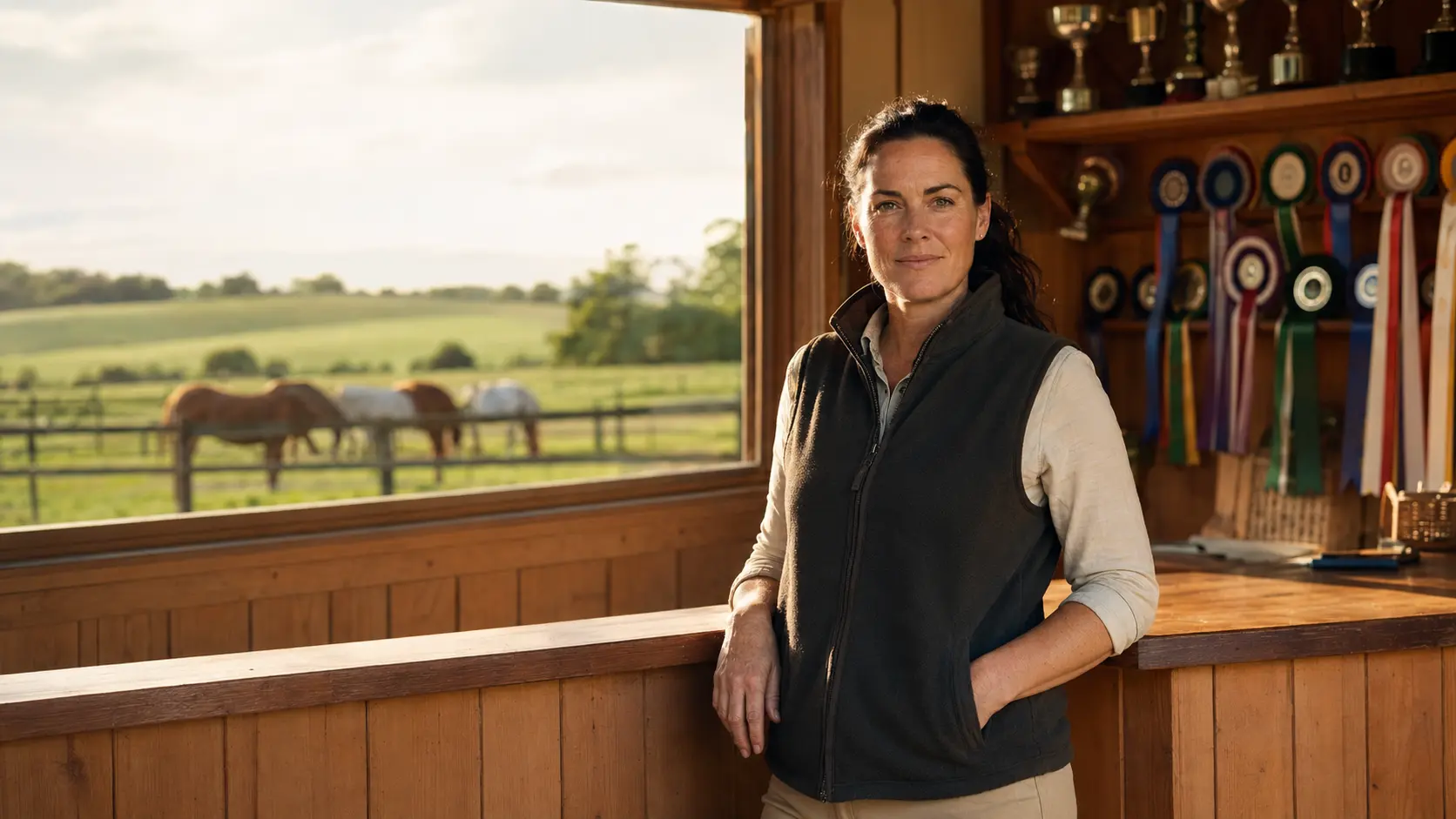
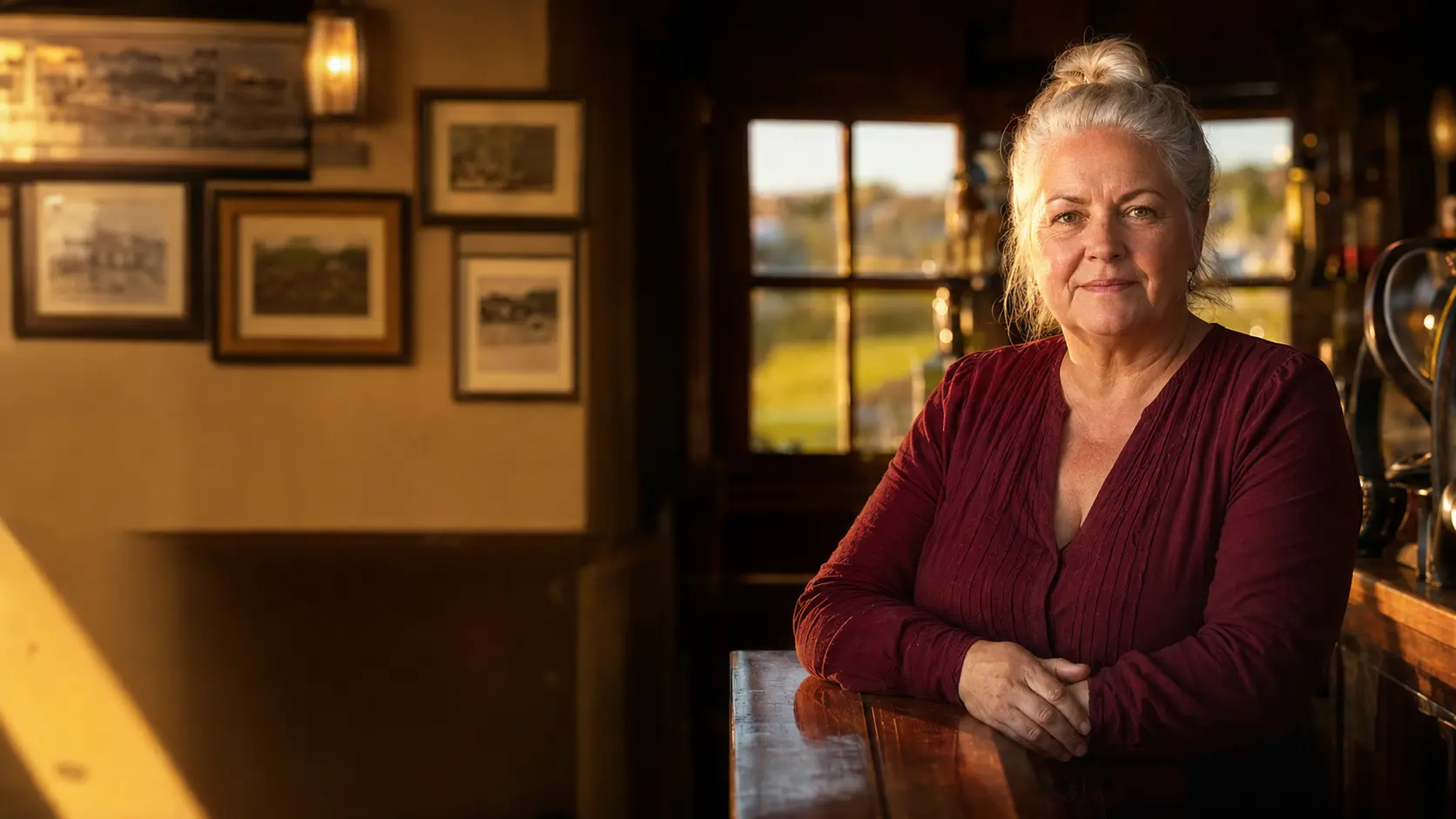
Hospitality is the clearest example of why your own website matters. A guesthouse or B&B listed on Booking.com or Airbnb is paying fifteen percent or more in commission on every booking those platforms send. The website’s job is to win the direct booking instead, the same guest, none of the commission. A wedding venue is shortlisted visually, so fast galleries and an easy way to request a brochure or book a viewing are the whole game. A farm shop needs to bring locals through the door and, increasingly, sell online with veg boxes and click-and-collect. An equestrian centre needs to fill lessons, livery and pony camps from searches its rivals are not even targeting.
Different businesses, same principle: capture the booking or the enquiry yourself, and stop renting your customers from someone else.
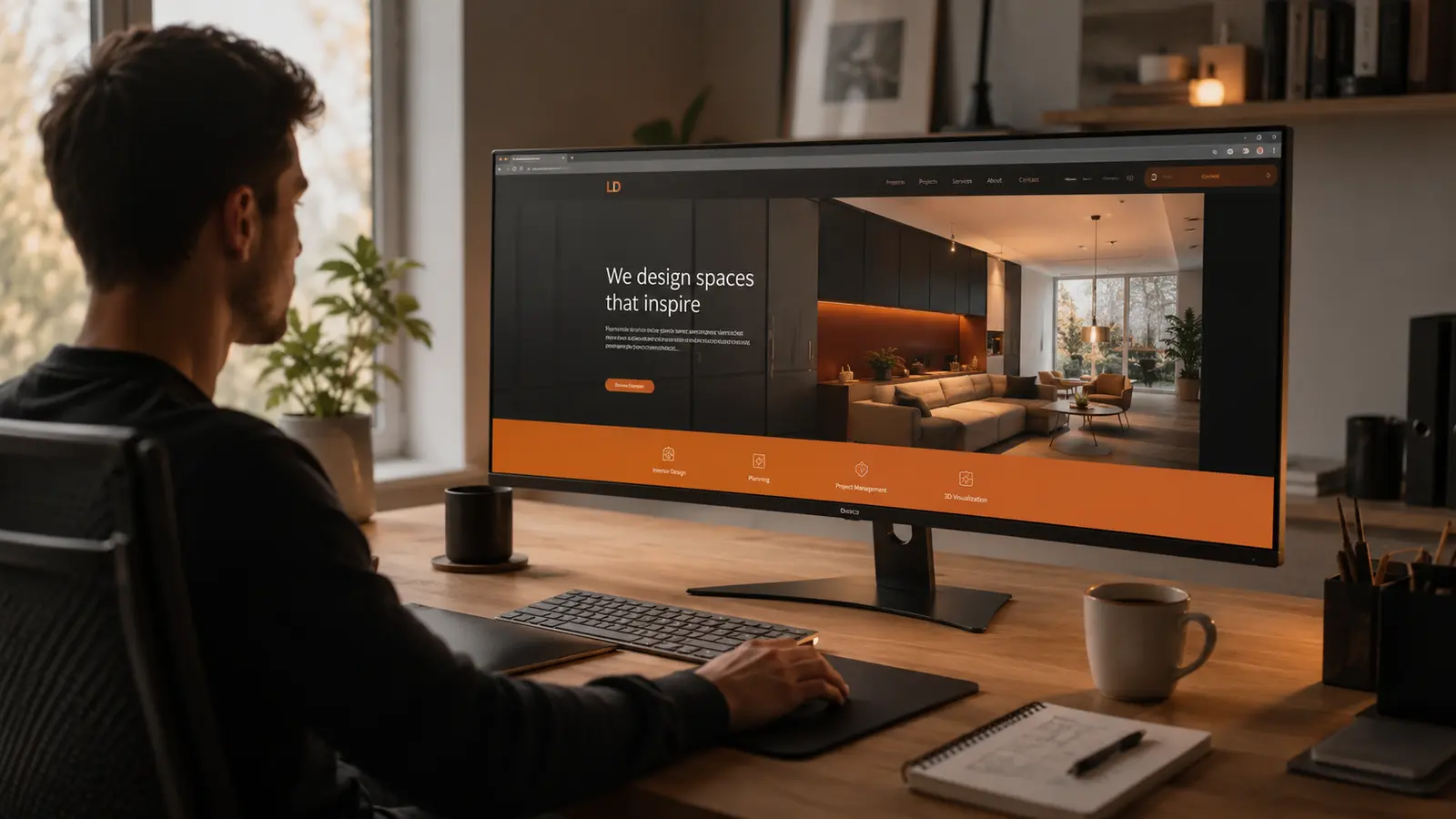
Even a more bespoke trade like an architecture practice follows the rule, the website’s real job there is to let the work speak, with a fast, well-built project portfolio that turns a browsing visitor into a serious enquiry.
What every industry has in common
For all those differences, the foundation underneath a good website is identical no matter what you do.
- It loads almost instantly on a phone, because that is where your customers are searching.
- It is built from scratch and yours to own outright, with no monthly platform fees or lock-in.
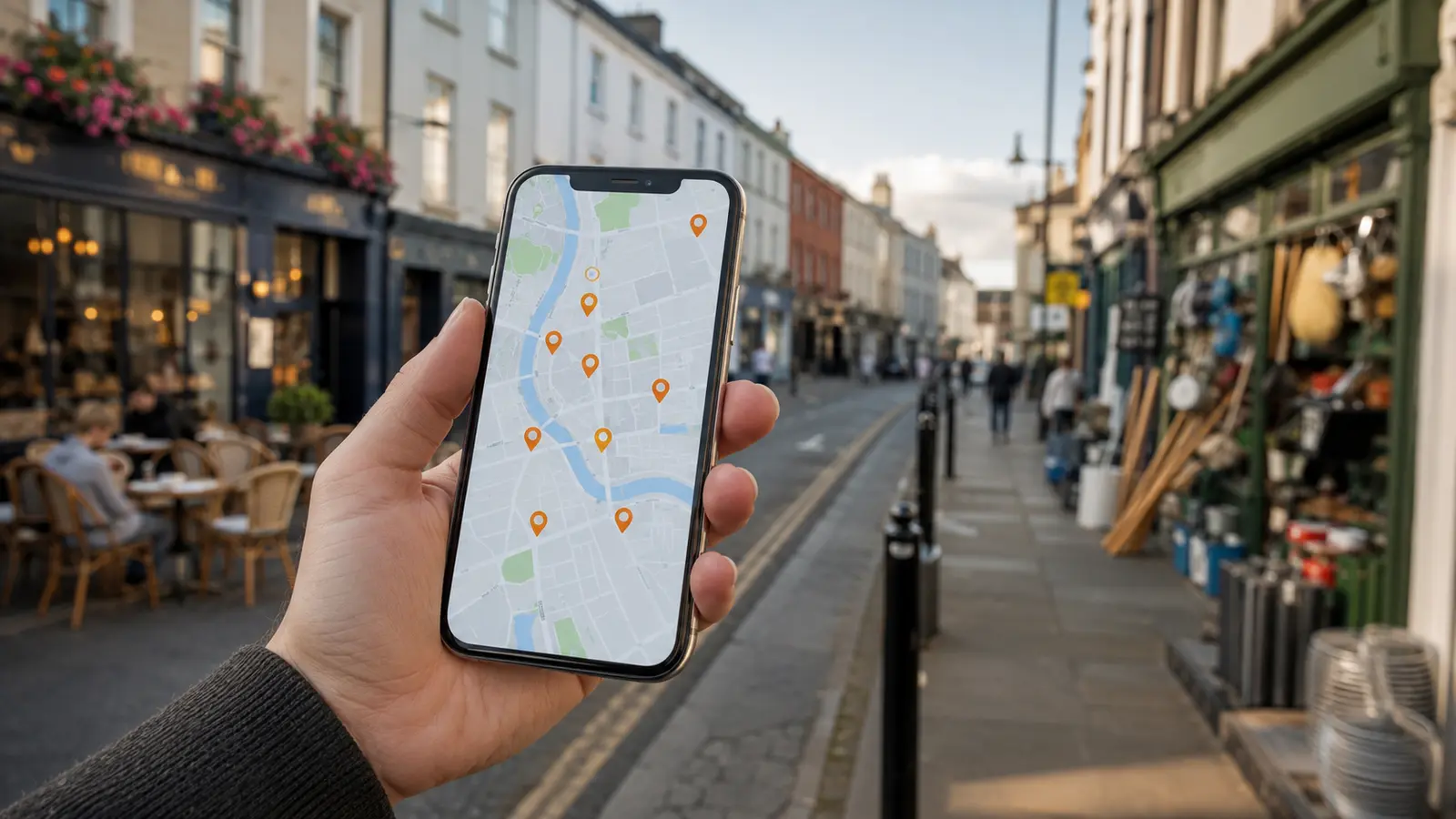
- It is set up to be found, a fast site, a properly maintained Google Business Profile, and genuine reviews are what land you in the local map results.
- It makes the next step obvious, whether that is a call, a booking, or a form.
The difference between industries is in the structure and the content. The difference between a website that works and one that does not is in that foundation, and most of the sites being sold to Irish businesses right now get the foundation wrong.
Start with the search, not the design
If you take one thing from this, let it be the starting point. Before anyone talks about colours or layouts, the useful question is: what is my customer actually typing into Google, what doubt is in their head when they land on my site, and what do I want them to do next? Answer those honestly and the right website more or less designs itself.
I have written a deeper page for most of these industries, so if your trade is on the list, you can see exactly what I would build and why. If it is not, the thinking is the same, and a free website audit is the easiest place to start: I will look at what you have and tell you straight whether it is doing its job.