Web design for builders

Builder web design: Irish contractor sites that win enquiries

When a homeowner searches for a builder, they look at who ranks first and whose work looks credible. A professional site with a strong portfolio and solid local SEO puts you in front of those searches before your competitors.

No obligation · same-day reply

Why it matters

Builder web design starts with showing your work and ranking locally

The Irish construction market runs on trust. A website that demonstrates your work and ranks in local search is the most consistent source of new enquiries a builder can have.

Word of mouth still matters in construction, but the majority of homeowners now check online before they call, even when they have had a referral. A professional website with a genuine portfolio and clear credentials confirms that the recommendation was sound. A site that looks amateur, or does not exist at all, raises doubt.

Web design for builders has specific demands: project galleries with real photography, clear descriptions of the work types and scale you handle, your service area stated plainly, credentialing like CIRI registration displayed prominently, and pages structured around the searches homeowners make when they are planning an extension, a renovation, or grant-funded retrofit work.

I build fast, clean sites from scratch for builders and contractors across Ireland. No WordPress, no recycled templates, no monthly platform fee. Everything is yours to own outright.

No obligation · same-day reply

Talk to me about your building business

Tell me about your work and what your site needs to do. I'll come back with honest advice and a clear quote | no obligation.

Goes straight to my inbox. I read everything and reply usually within a few hours.

Web design for Irish builders: what actually moves the needle

A builder's website has to serve two functions at once: rank well enough in local search to be found by homeowners who do not already know you, and convert that visit into an enquiry by demonstrating quality and credibility quickly. Most construction websites fail at both. They either do not appear in search at all, or they appear but have no portfolio worth looking at, no clear description of what they build, and no compelling reason to get in touch.

The builders ranking well in local search are not always the biggest or longest-established. They are the ones with fast sites, well-structured service and portfolio pages, and the right local content in place. Web design for builders, done properly, combines search strategy with strong visual presentation of real work.
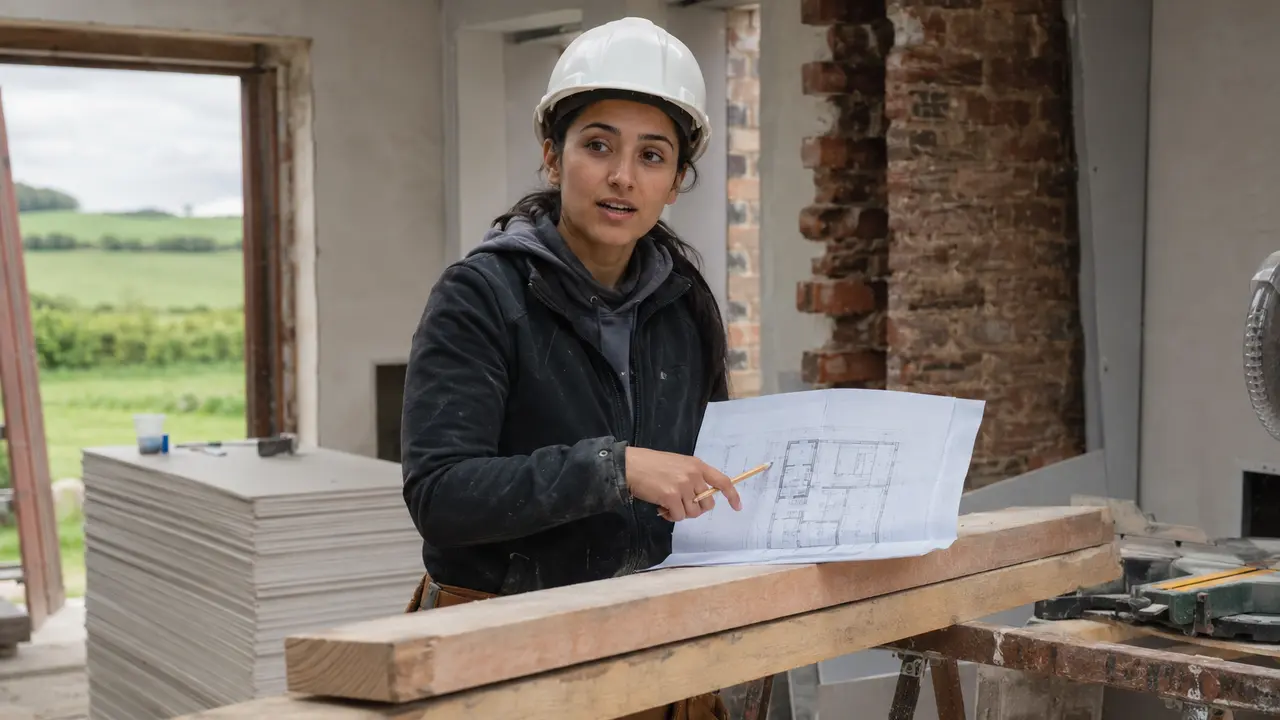
A builder on site reviewing construction plans

Local SEO for builder websites: how it actually works

Ranking locally for builder and contractor searches depends on a fast, well-structured site with pages targeting the right queries for your area; a Google Business Profile correctly set up with your services and service area; and a consistent flow of genuine client reviews. Those three signals determine who appears in the map pack when a homeowner in your area searches for a builder.

The pages that matter most are service-specific, not just a general homepage. A dedicated page for house extensions in your county, for attic conversions, or for new builds gives Google more to rank and gives homeowners clearer answers. I have written a plain guide to how local ranking works that covers what factors move a contractor up the results.

Extension and planning permission web design: high-value enquiries

House extensions and planning-linked builds are high-value projects where homeowners do significant research before they contact anyone. A dedicated page for extension work, with clear information about the process, planning requirements, typical timelines, and project examples, addresses that research directly and positions your business as knowledgeable before the first call. Builders who answer questions upfront on their site receive better-quality enquiries from homeowners who are ready to proceed.

The same logic applies to grant-funded retrofit work. Homeowners searching for SEAI-registered contractors for heat pump installations, external wall insulation, or attic upgrades are at a late stage of decision-making. A page built around those searches, with clear information on the grants available and your registration status, captures that high-intent traffic before it goes to a competitor.

Web design for sole trader builders

A sole trader builder does not need a site that looks like a large construction company. It needs to be direct, personal, and credible: your name, your area, the type of work you do best, real photos of completed projects, and a clear way to get in touch. That is often more persuasive to a homeowner than a corporate-looking site because it feels more accountable.

CIRI registration, Safe-T-Cert, or HomeBond warranty membership should be displayed clearly, not hidden. For a sole trader, those credentials do significant work in establishing trust with a homeowner who does not know you personally. I will discuss what you hold and where it belongs on the site before the build starts.

Builder websites built from scratch, not templates

Most contractor websites in Ireland run on WordPress with a construction theme. They load slowly, look generic, and do not reflect the quality of the work the builder actually does. A site built from scratch in clean code loads faster, scores better on Core Web Vitals, and presents your work properly rather than squeezing it into a template that was not designed for it.

Every site I build is yours outright: no monthly platform fee, no lock-in, no developer needed for standard updates like adding new project photos or adjusting your service list. Fixed price, clear timeline, everything yours at the end.
The opportunity

Most builder websites are not built to rank. Yours can be.

Local construction searches happen every day across every county. A fast, properly structured site with the right service pages will outrank most competitors within months | not years.

Start the conversation
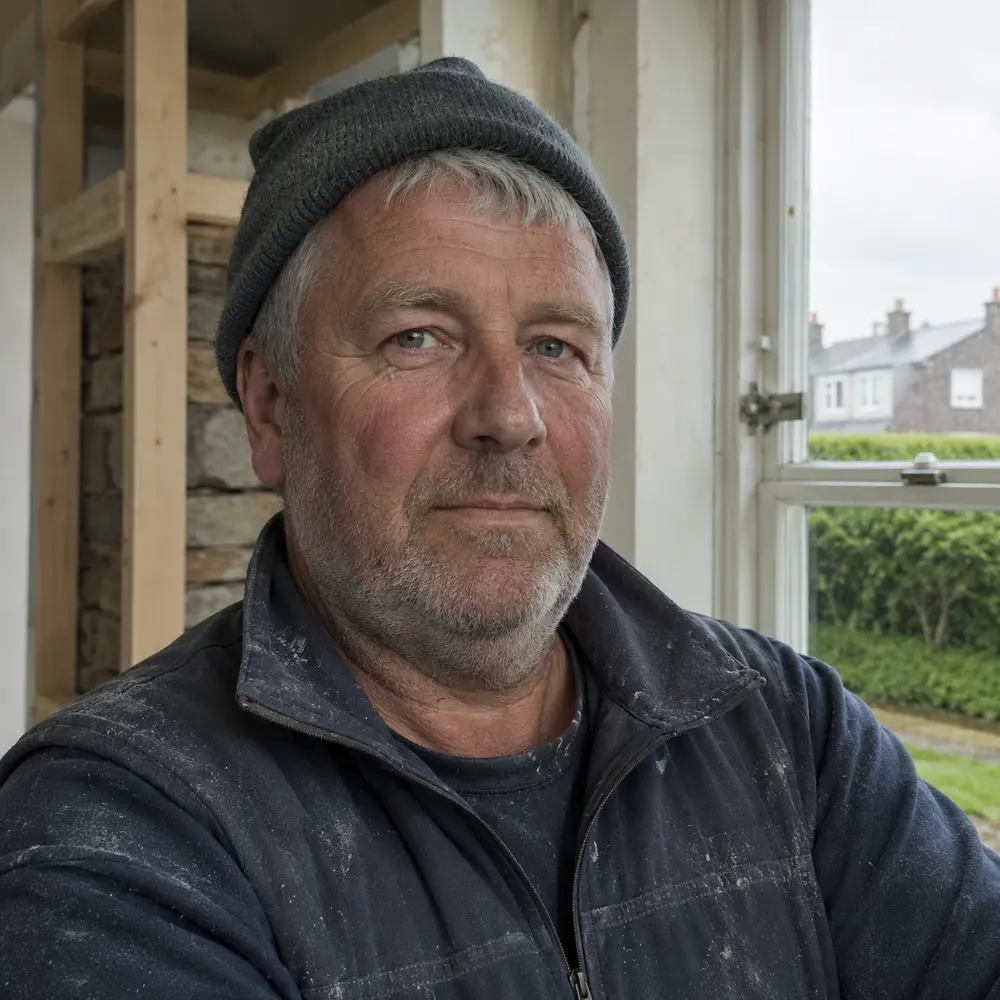
A builder on a construction site

Common questions

Web design for builders: questions answered

Do builders and contractors really need a website?

Yes, and increasingly so. Most homeowners searching for a builder go online first, even if they eventually rely on word of mouth. A professional website with a strong portfolio and local SEO in place means you appear when people search, look credible when someone checks you out after a referral, and give the impression of a serious, established business. Builders without a site are losing work to competitors who have one.

How important is a project portfolio on a builder website?

It is the most important element after ranking. Homeowners want to see the actual quality of work before they get in touch. A well-presented portfolio with before-and-after photos, project descriptions, and the specific type of work involved, extensions, new builds, renovations, grant retrofits, gives visitors the evidence they need to trust you enough to enquire. A site with no portfolio or poor-quality photos will lose the enquiry to a builder whose site shows their work clearly.

Can you help with SEAI or Better Energy Homes grant work pages?

Yes. If you carry out SEAI-registered retrofit work, attic insulation, external wall insulation, heat pump installations, or other Better Energy Homes grant works, dedicated pages for those services rank well for the specific searches homeowners make when looking for registered contractors. I build those pages with the right structure and content to capture that traffic.

We are CIRI registered. Should that be on the site?

Absolutely. CIRI registration is a genuine trust signal for Irish homeowners, particularly for larger projects like extensions and new builds. It should be prominently displayed, not buried in small print. If you hold other credentials, Safe-T-Cert, HomeBond warranty, or specific trade registrations, those belong on the site too, ideally near your enquiry or contact points where they reinforce the decision to get in touch.

What is the difference between a site for a sole trader builder and a building company?

The content and positioning differs significantly. A sole trader site tends to work best when it is direct and personal: your name, your work, your areas, your references. A building company site needs to convey capacity, team, and the range of project sizes you take on. Both need strong local SEO and a clear portfolio. I will discuss what approach fits your business before any work begins.

How long does a builder website take to build?

A standard builder site, homepage, services, portfolio, about, and contact, takes around three to four weeks from brief to live. If you need additional pages for specific services like extensions, grant work, or commercial projects, allow four to five weeks. You get a fixed price and clear timeline before work starts.

Builder web design that wins enquiries and shows your work

Fast, built from scratch, ranked for local construction searches. Portfolio, credentials, clear enquiry path. Fixed price, you own everything.

Call Dave — 083 140 6725
Call Dave