Most Irish business websites are brochures. A few pages that describe what you do, sit there looking tidy, and never actually do any work. That’s fine if a brochure is all you need — but plenty of businesses need their website to do more than describe the business. They need it to run part of it.
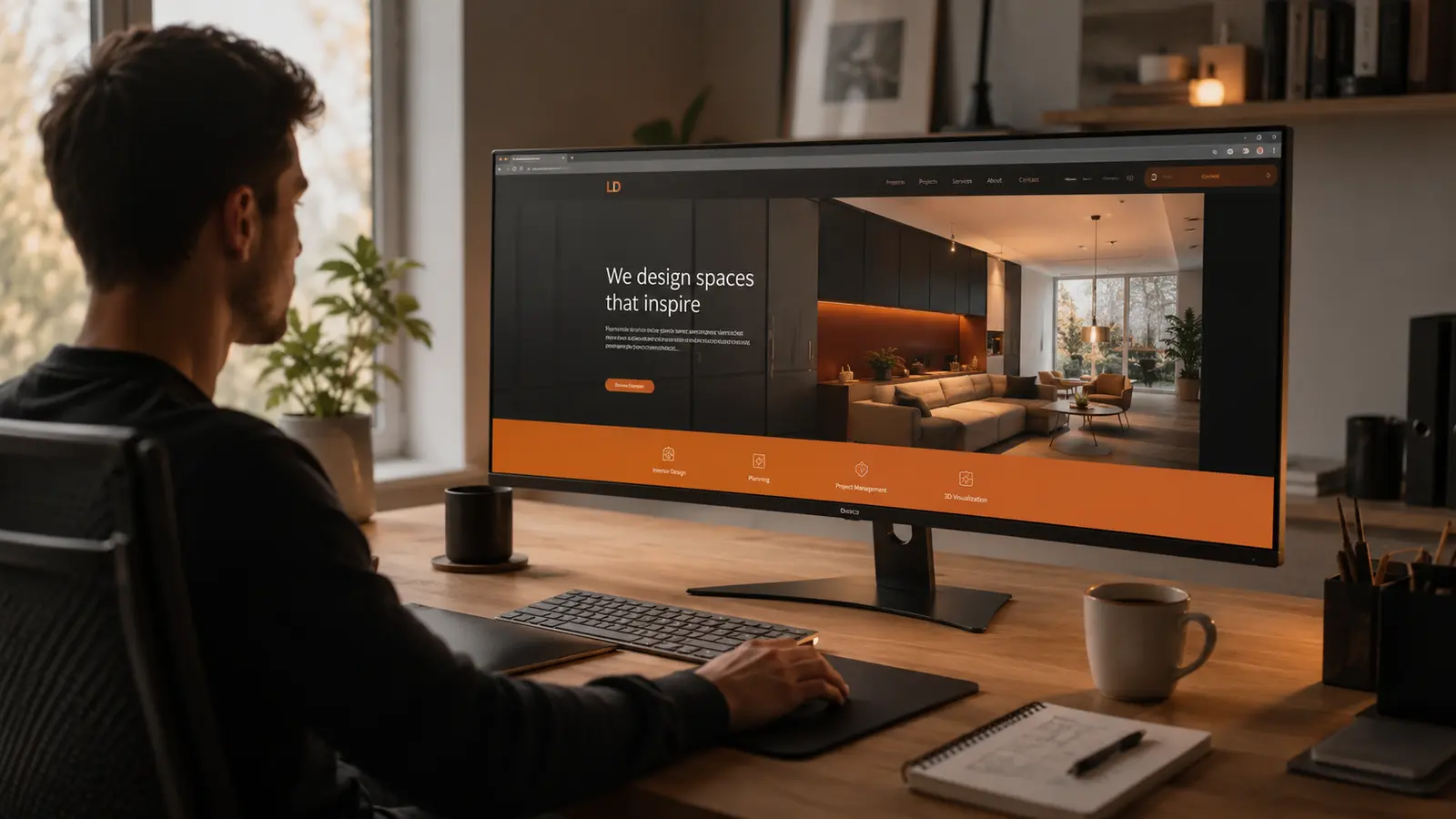
That’s the difference between web design and custom development. Web design makes the site look right. Custom development makes it do something — take a booking, track a job, save you an hour of admin every morning. And it’s far more achievable, for far smaller businesses, than most people think.
What “custom” actually means
When I say custom development, I don’t mean a fancier website. I mean software built specifically around how your business works — instead of forcing your business to fit some off-the-shelf tool that nearly does the job.
The honest test is simple: if you’ve ever thought “I wish the website could just…”, that “just” is usually a custom build. Here are the ones I’m asked for most.
A website you can update yourself
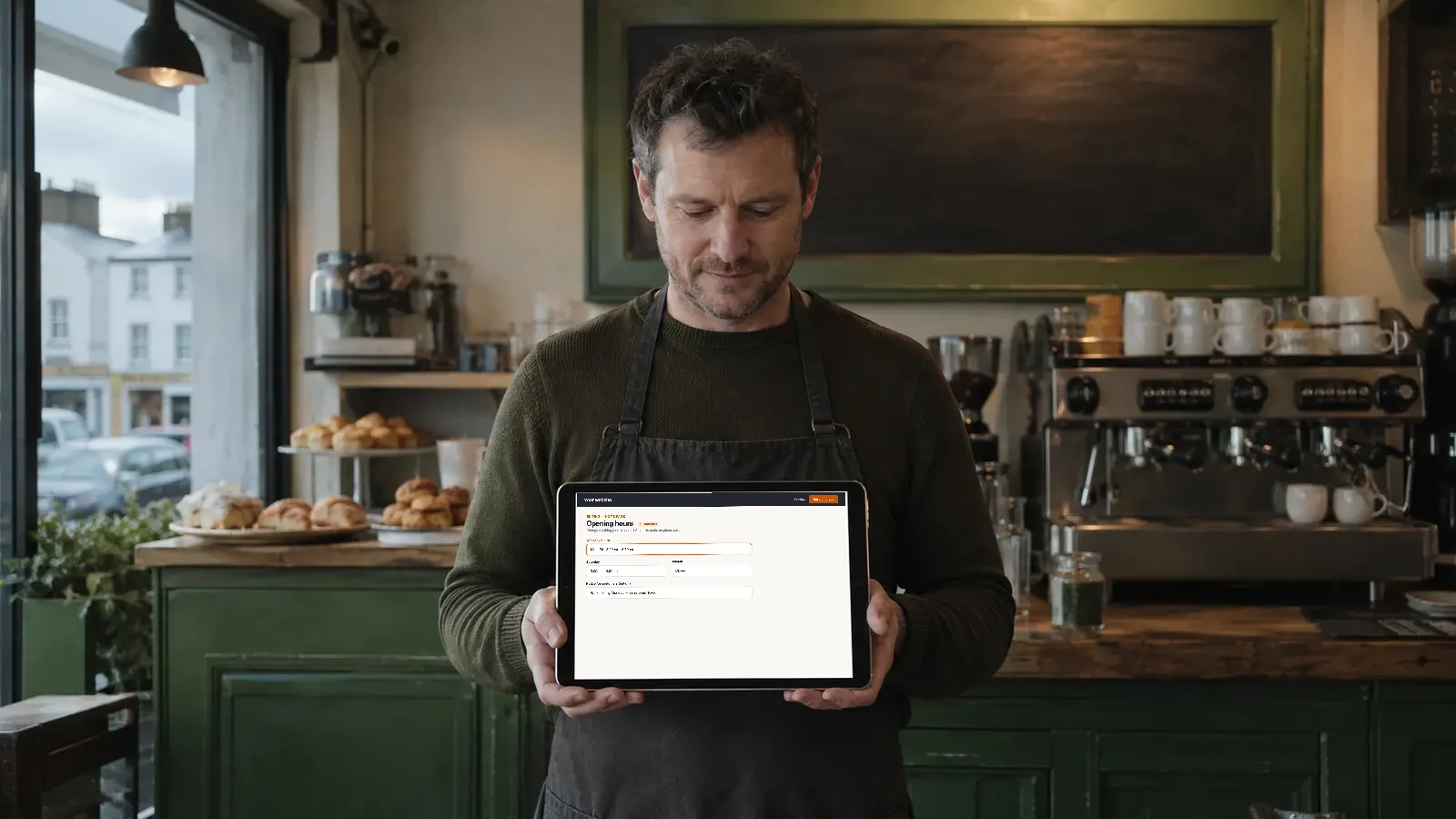
The single most common request. You want to change your prices, add photos, post your latest news — without ringing anyone or paying for every small edit.
I build you a simple place to manage your own site, made to fit exactly how your business works. No technical knowledge needed. If you can use email, you can use this. (More on this in the update-it-yourself guide.)
Take bookings, orders and payments online
Let customers book a table, an appointment, or a job — and take a deposit at the same time, so no-shows stop costing you money. Orders land straight on your phone, with no booking platform taking a cut.
This is transformational for hospitality, salons, trades, and any Galway or Kilkenny tourism business currently leaking commission to the big platforms. The full picture is in the online booking systems guide.
A private dashboard for your business
One simple screen that shows what’s actually happening — your bookings, your sales, your enquiries, your jobs — at a glance, on your phone. No more digging through a notebook, your inbox, and three different apps to figure out how the week is going.
A Cork café owner can open their phone and see today’s covers and this week’s takings. A Limerick tradesperson can see every quote and booked job in one place. Built around the numbers that matter to you.
A secure area for your customers
Give your clients a private login where they can check progress, upload documents, or see their account — instead of endless back-and-forth emails. Ideal for solicitors, accountants, and anyone who works with the same clients over time.
Connecting the tools you already use
Your website can talk to the other things you rely on — your accounts software, your calendar, your email list — so information flows automatically and you stop copying things from one place to another by hand. Less double-entry, fewer mistakes, more time on the work that actually pays.
Built for any industry — and any budget
This is the part most people get wrong about custom work. They assume it’s enterprise-only, six-figure stuff. It isn’t. The technology underneath is the same regardless of size; what changes is what it does and how much of it you build.
- A trades business wants online quote requests with photos and a job tracker
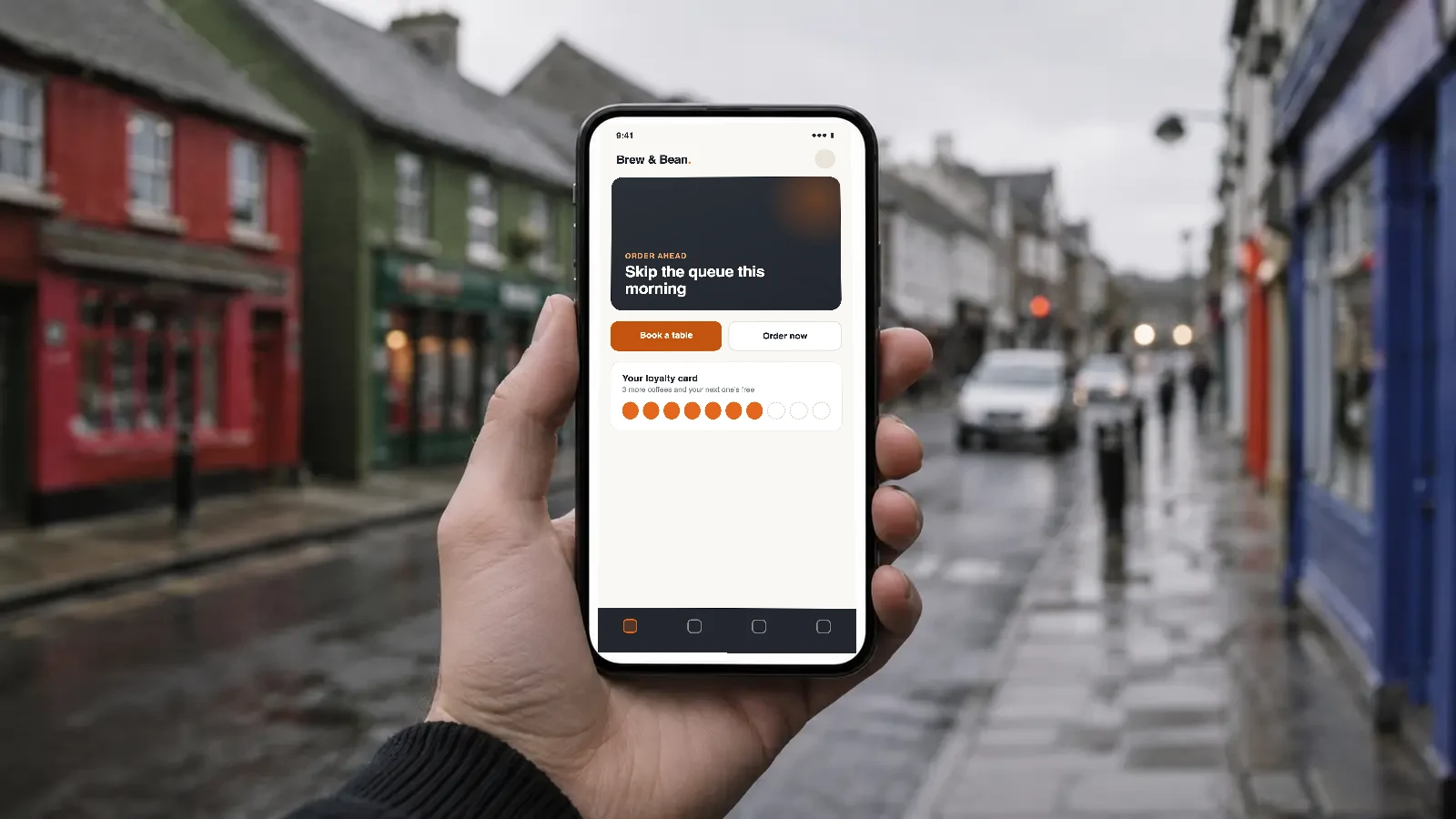
- A café or restaurant wants online ordering and a loyalty scheme
- A salon or studio wants appointment booking with deposits
- A solicitor or accountant wants a secure client portal
- A tourism business wants a live availability calendar with instant confirmation
Same foundation, completely different tools. And you can start small — prove one piece works, then add to it.
The honest bit
Not every business needs a custom dashboard or a customer portal. Part of my job is telling you when a simple, fast website would do everything you need and save you a pile of money. I’d rather build you the right thing than the biggest thing.
But if you’ve been told “that’s custom, that’s expensive, go to an agency” — that’s often not true. A lot of what holds Irish small businesses back is admin and missed enquiries, and a well-built tool fixes exactly that.
Getting started
The best starting point is a plain conversation about what you’re trying to achieve — not a sales pitch. Tell me the bit of your day that’s a hassle, or the “I wish the website could just…” you’ve had in the back of your mind.
Get in touch and I’ll tell you honestly whether it’s worth building, roughly what it would cost, and whether a simpler answer would do. You can also see the full overview on the custom websites & tools page, or — if it’s an app you’re after — the app development guide.